
International certifications and sustainability credentials drive global recognition for Vietnam’s native crop innovation
Organic nipa palm nectar products sourced from the Can Gio mangrove biosphere reserve have entered the United States market for the first time, marking a significant milestone in Vietnam’s efforts to commercialise indigenous agricultural resources and expand exports of high-value processed food products.
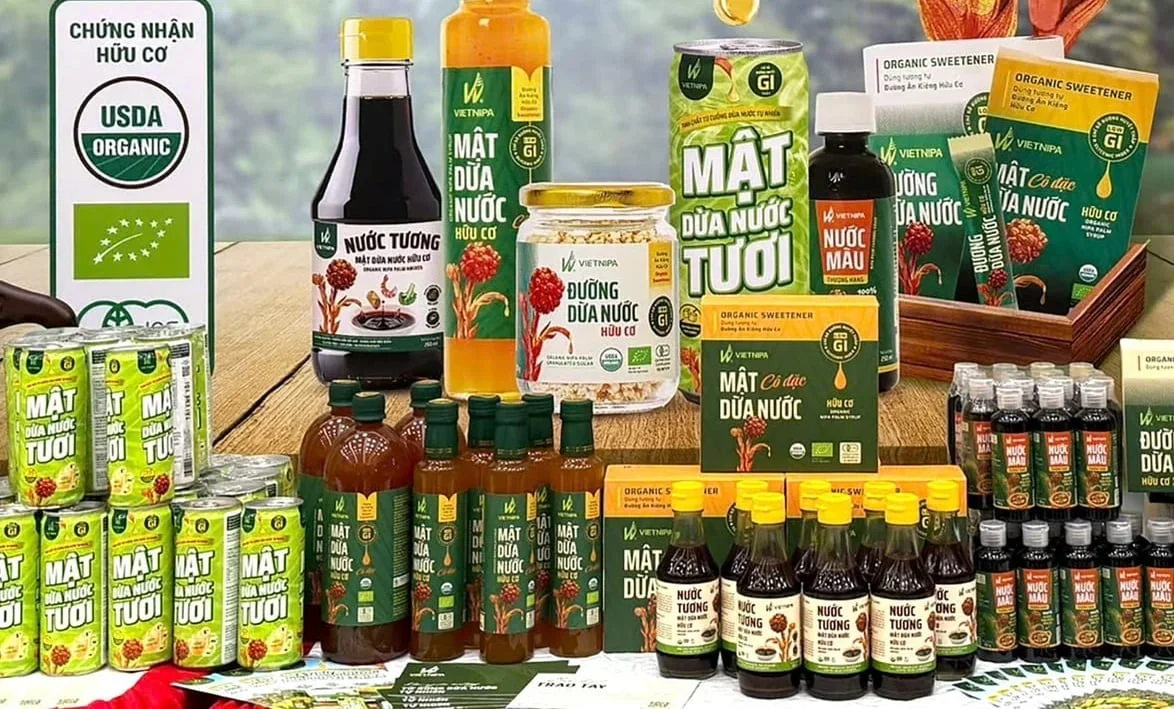
Vietnam Nipa Palm Joint Stock Company (Vietnipa) announced the successful shipment of a portfolio of organic nipa palm-derived products, including concentrated syrup, natural sweeteners, soy sauce, and caramel colouring, to the U.S. market. The development underscores growing international demand for traceable, plant-based ingredients with strong sustainability credentials and distinctive geographic origins.
The export achievement positions Can Gio’s native nipa palm ecosystem as a commercially viable source of premium food ingredients at a time when global consumers are increasingly seeking natural products aligned with health, environmental, and ethical consumption trends.
To strengthen international market access, Vietnipa has developed a diversified product ecosystem built around organic nipa palm nectar, supported by globally recognised certifications including USDA Organic, EU Organic, and JAS Organic standards. The company’s products have also secured domestic recognition through Vietnam’s One Commune One Product (OCOP) programme and other national quality certifications.
Industry observers view the export as a strategic example of how Vietnam can leverage underutilised native resources to create value-added agricultural products capable of competing in premium international markets.
Building on its success in natural sweeteners and food ingredients, the company is expanding into the beverage segment through the introduction of canned fresh nipa palm nectar products designed for modern retail and convenience channels. The move is expected to broaden consumer access while overcoming traditional challenges associated with shelf life and product handling.
Beyond commercial ambitions, the initiative highlights a sustainability-driven production model rooted in the conservation of Can Gio’s mangrove ecosystem. Nipa palm nectar is harvested manually from flower stalks without damaging trees or disrupting the surrounding environment, allowing local communities to generate income while preserving ecological integrity.
The company is also pursuing market expansion opportunities across Canada, Australia, China, and Japan through ongoing trade promotion activities and international food exhibitions.
As global food markets increasingly reward products that combine authenticity, sustainability, and traceability, Can Gio’s organic nipa palm nectar is emerging as a compelling example of how Vietnam’s indigenous agricultural assets can evolve into internationally recognised export commodities.
