
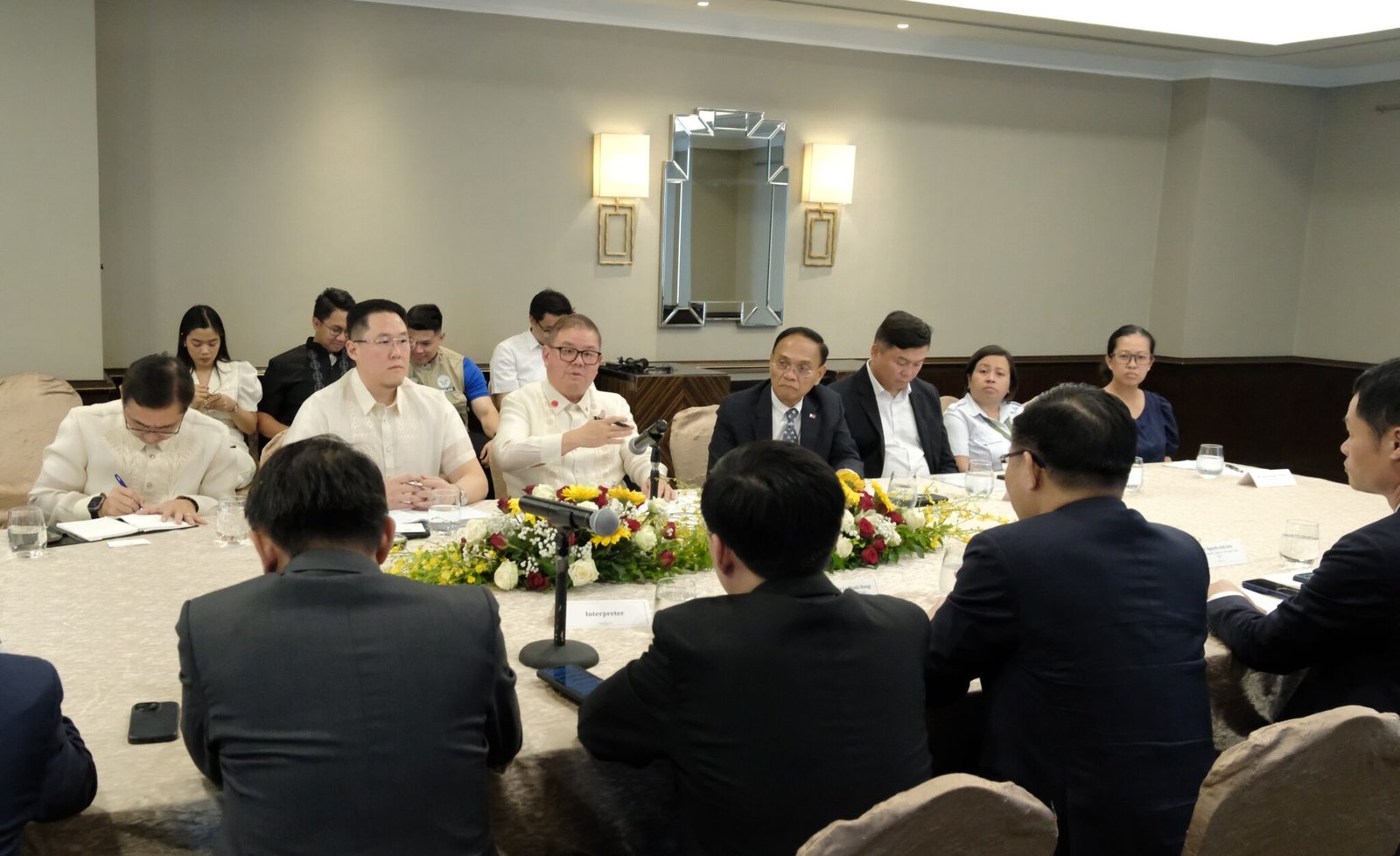
Agricultural cooperation, export diversification and supply-chain stability emerge as key priorities in renewed economic engagement
The Philippines is intensifying efforts to reshape its agricultural trading relationship with Vietnam as both nations pursue an ambitious goal of expanding bilateral commerce to $ 20 billion, up from the current $ 15 billion, while addressing structural trade imbalances that have long tilted in Hanoi’s favor.
Agriculture Secretary Francisco P. Tiu Laurel Jr. said Manila is exploring new avenues to increase Philippine agricultural exports to Vietnam and strengthen the implementation of existing trade agreements, particularly in commodities critical to regional food security.
The initiative follows commitments made by President Ferdinand R. Marcos Jr. and Vietnamese President Tô Lâm to deepen economic engagement and elevate bilateral trade relations, reflecting the growing strategic importance of agricultural cooperation within Southeast Asia.
While Vietnam remains the Philippines’ most significant supplier of imported rice, the relationship has also contributed to a substantial trade imbalance. Philippine officials estimate that the bilateral agricultural trade gap currently stands at approximately $ 2.7 billion, underscoring the need for more diversified and balanced commercial exchanges.
Beyond increasing trade volumes, Manila is seeking greater certainty and accountability in agricultural transactions, with contract enforcement emerging as a central issue in discussions between the two governments.
“One of the major issues is that when prices go up, the Vietnamese side normally rescinds the contract,” Tiu Laurel noted during meetings with Vietnamese counterparts, highlighting a long-standing concern among Philippine importers and policymakers regarding the reliability of supply agreements during periods of market volatility.
The agriculture secretary indicated that the issue would remain a priority in forthcoming bilateral negotiations as both countries work toward creating a more predictable and resilient trading framework. He added that Philippine government agencies and industry stakeholders are increasingly adopting a coordinated approach to negotiations in an effort to strengthen commercial safeguards and improve transaction reliability.
Vietnam’s Minister of Industry and Trade, Le Manh Hung, acknowledged the concerns raised by the Philippine delegation and assured officials that the matter would be elevated to Vietnam’s Ministry of Agriculture and Environment for further examination and dialogue.
As part of broader efforts to reinforce institutional cooperation, Tiu Laurel also emphasized the need to urgently reactivate and strengthen the technical mechanisms underpinning the Joint Trade Committee (JTC) and the Joint Committee on Agriculture (JCA). The move follows directives from both national leaders to accelerate discussions on outstanding trade concerns and expand opportunities for agricultural collaboration.
The renewed engagement comes at a time when food security has become an increasingly important component of regional economic policy, with governments across Southeast Asia seeking more stable supply chains and stronger cross-border partnerships amid global market uncertainties.
Tiu Laurel further highlighted the importance of closer bilateral coordination ahead of a scheduled European Union agricultural audit in September, noting that enhanced cooperation could help facilitate smoother trade flows, strengthen regulatory compliance and improve access to international markets.
The Philippines and Vietnam have emerged as key agricultural partners over the past decade, with rice trade serving as a cornerstone of the relationship. However, officials in Manila increasingly view the next phase of engagement as extending beyond commodity imports toward broader collaboration in agricultural development, market access and supply-chain resilience.
By pursuing expanded exports, stronger contractual protections and deeper institutional cooperation, the Philippines aims not only to increase trade volumes but also to foster a more equitable and sustainable commercial partnership with one of its most important regional allies.
As both governments advance toward their $ 20 billion trade target, policymakers see an opportunity to transform bilateral agricultural relations from a predominantly buyer-seller dynamic into a more balanced framework capable of supporting long-term economic growth, food security and regional stability.
