
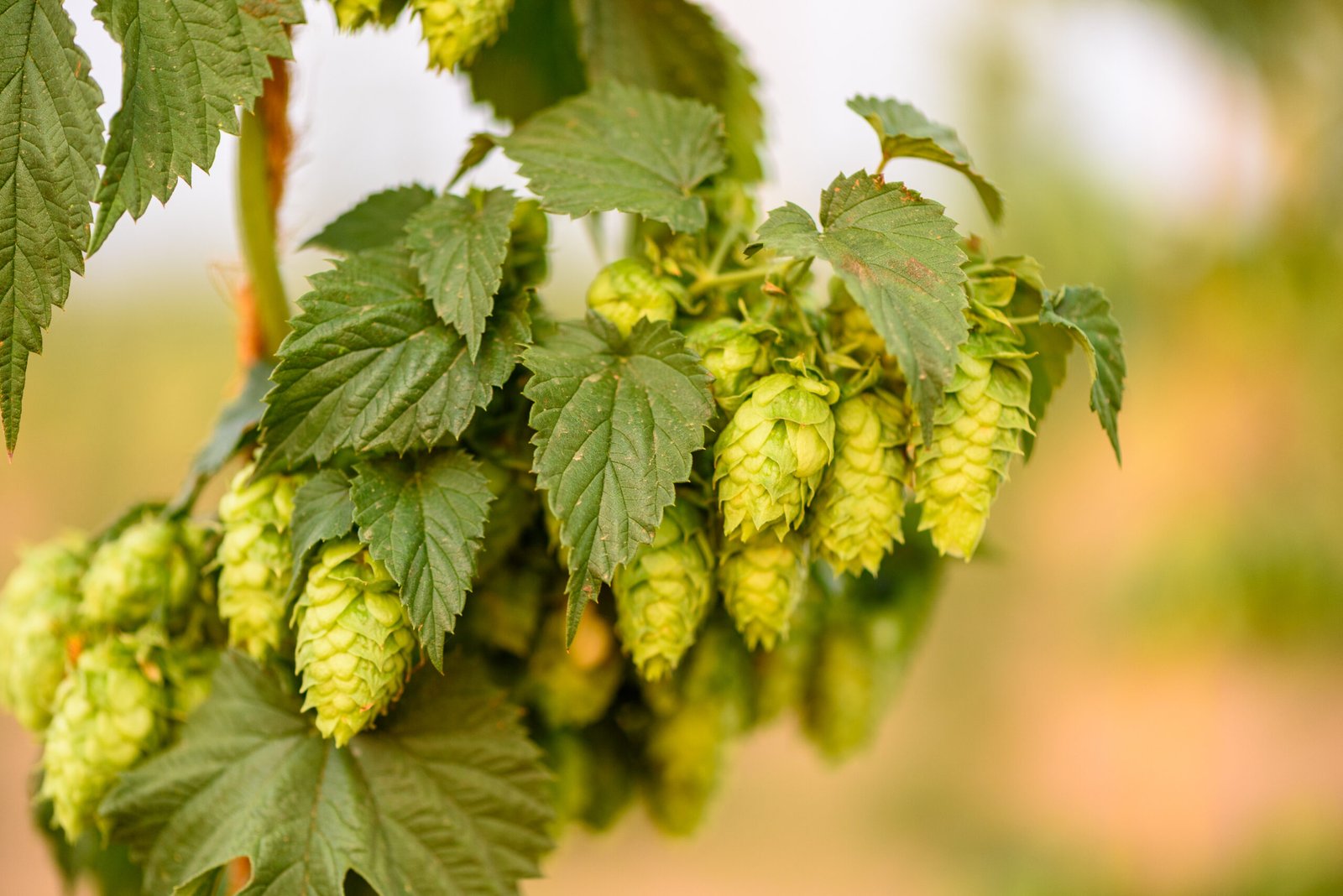
New high-resolution hop genome map equips breeders to develop climate-resilient varieties, safeguarding beer production against rising temperatures, droughts, and volatile weather patterns
As climate change intensifies pressure on global agriculture, the brewing industry is confronting a growing challenge: securing reliable supplies of high-quality hops, the essential ingredient responsible for beer’s distinctive aroma and bitterness. Rising temperatures, prolonged droughts, and increasingly erratic weather patterns are already affecting hop yields and quality in major cultivation regions worldwide.
In response, the Carlsberg Research Laboratory (CRL) has unveiled a significant scientific breakthrough that could reshape the future of hop breeding and sustainable brewing. Researchers have developed the most detailed genetic map of hops ever created, offering unprecedented insight into the crop’s complex DNA architecture and opening new pathways for developing varieties better equipped to withstand climate-related stresses.
The research, published in Nature Communications, provides a powerful scientific foundation for breeding hops that combine resilience, productivity, and desirable brewing characteristics. Consistent with Carlsberg’s long-standing philosophy that scientific knowledge should be shared for the collective good, the findings have been made publicly available to support researchers, breeders, farmers, and the wider brewing community.
“This research is bigger than any single company,” said Birgitte Skadhauge, Vice President and Head of the Carlsberg Research Laboratory. “By sharing our hop genome research, we are providing tools that can help protect crops, accelerate innovation, and contribute to securing the future of beer production in a changing climate.”
The breakthrough also represents a major milestone in brewing science. Having previously contributed to groundbreaking genome research involving barley and yeast, CRL has now significantly advanced scientific understanding of all three traditional non-water ingredients used in brewing. The achievement further strengthens the laboratory’s reputation as a global centre for brewing innovation.
Hops present a particularly difficult challenge for genetic research. Their genome is remarkably large—comparable in scale to the human genome—and contains extensive repetitive DNA sequences that complicate analysis. The crop’s unusual reproductive biology adds another layer of complexity, as male and female flowers grow on separate plants, while only female plants produce the cones used in brewing.
To overcome these challenges, CRL scientists created a high-resolution chromosome-level map of a commercially important hop variety. The research captures both parental versions of each chromosome in exceptional detail, enabling scientists to understand how key traits are inherited and expressed.
The development is especially important for modern hop breeding programmes, which increasingly combine European and North American genetic lineages to create varieties with improved brewing performance, disease resistance, and environmental adaptability. The new genome map enables researchers to pinpoint how these diverse genetic traits interact and contribute to desirable characteristics.
“Hops are genetically far more complex than many realise, and that complexity has historically slowed breeding progress,” said Ilka Braumann, Head of Hop Development at the Carlsberg Research Laboratory. “By distinguishing between European and North American genetic lineages within the genome, we now have a much clearer understanding of how valuable traits are inherited, allowing us to accelerate the development of stronger and more resilient hop varieties.”
The achievement arrives at a critical moment for the global brewing industry, which faces mounting concerns over the long-term availability of quality hop supplies. By providing a detailed genetic blueprint, the research offers breeders a powerful new tool to enhance crop resilience while preserving the flavour profiles that consumers expect.
Beyond brewing, the findings contribute to broader agricultural efforts aimed at strengthening crop adaptation in the face of climate change. As extreme weather increasingly threatens agricultural productivity worldwide, advances in crop genomics are emerging as a crucial component of future food and beverage security.
For Carlsberg, the breakthrough reinforces the growing role of advanced science in addressing some of the most pressing challenges facing agriculture and industry alike, demonstrating how genetic innovation can help safeguard both crop sustainability and product quality for generations to come.
