
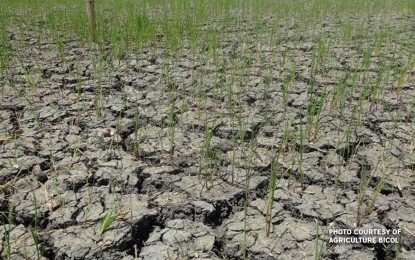
Philippines expands agricultural resilience strategy following lessons from the 2024 El Niño event
Department of Agriculture is intensifying nationwide preparedness measures to shield farmers and consumers from the potential impact of a strong El Niño event that could significantly reduce agricultural production and disrupt food supplies across the Philippines.
Agriculture Secretary Francisco P. Tiu Laurel Jr. said the government is implementing a range of climate adaptation and food security strategies aimed at minimising the impact of prolonged dry conditions on crop production, particularly rice.
“What we learned during the 2024 El Niño will guide how we prepare and intervene this time around,” Tiu Laurel said. The Department of Agriculture said its response strategy includes promoting less water-intensive crops such as mung beans in drought-prone regions, expanding the use of solar-powered irrigation systems, supporting low-cost greenhouse adoption and encouraging earlier planting schedules to reduce climate-related production risks.
The agency is also strengthening interventions under the National Rice Program and the Rice Competitiveness Enhancement Fund to cushion the impact of El Niño on rice output and farm incomes. These measures include the distribution of climate-resilient and high-quality seed varieties, fertiliser assistance, farm mechanisation support, irrigation upgrades, water-saving technologies, farmer training programmes and expanded access to agricultural credit.
The Department of Agriculture said additional preparedness efforts are underway through irrigation system assessments, climate risk mapping, localised agricultural planning and the prepositioning of drought-tolerant seeds, fertilisers and irrigation equipment in vulnerable farming regions. Existing support mechanisms such as crop insurance, market facilitation and financing assistance are also being reinforced ahead of the expected weather disruptions.
The government is also reactivating its El Niño Task Force to strengthen interagency coordination and improve response readiness across national and local agricultural agencies. As part of broader food security preparations, the Philippines and Vietnam have reaffirmed bilateral cooperation on rice supply management.
According to Tiu Laurel, Vietnam agreed that the Philippines could purchase up to 1.5 million metric tonnes of rice, if necessary, at competitive prices to stabilise domestic food supplies during periods of production stress. However, the Agriculture Secretary emphasised that actual import volumes would depend on domestic harvest conditions and global market prices.
“Just like last year, when President Ferdinand Marcos Jr. imposed an import ban from September to December to support palay prices, we will continue to balance food security with the interests of our farmers, ensuring they earn a fair return for their hard work,” Tiu Laurel said.
The Philippines is facing increasing agricultural risks not only from El Niño-related drought conditions but also from global supply disruptions and rising input costs linked to geopolitical instability in the Middle East. The country’s agricultural output has already contracted by 0.3 per cent this year, with declines in palay production outweighing gains in poultry and livestock sectors.
Recent studies cited by the Department of Agriculture suggest that a severe El Niño event could reduce agricultural production by as much as 20 per cent to 30 per cent if mitigation measures are not effectively implemented. The Philippine government has increasingly prioritised climate resilience, irrigation modernisation and food security planning as extreme weather events continue to intensify across Southeast Asia.
Industry analysts said proactive intervention measures will be critical in protecting domestic rice production, stabilising food inflation and supporting farmer livelihoods during prolonged drought conditions.
