
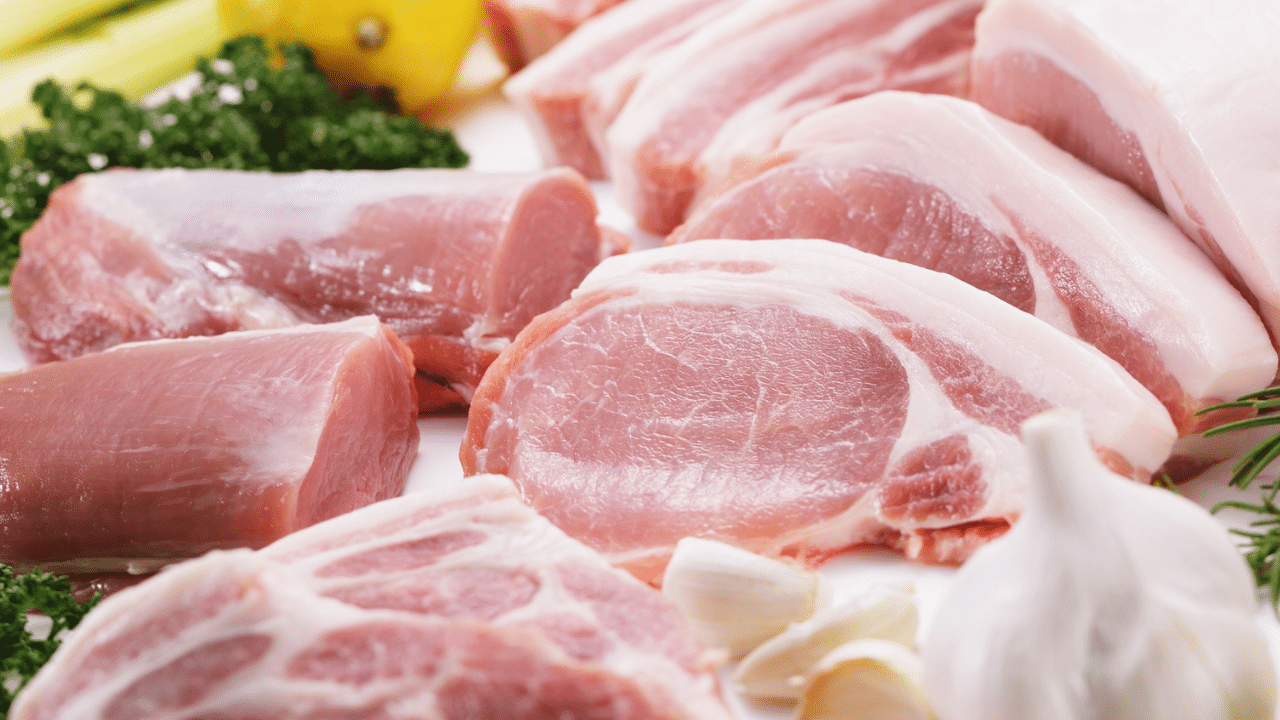
Agriculture Secretary says EO 116 remains a critical safeguard against potential supply shocks, rising pork prices and food inflation amid renewed disease threats and global market uncertainty
The Department of Agriculture (DA) has defended the relevance of Executive Order (EO) 116, arguing that the proposed increase in pork import allocations remains an important food security measure as the Philippines faces renewed risks from African Swine Fever (ASF) and mounting inflationary pressures linked to global geopolitical developments.
Agriculture Secretary Francisco P. Tiu Laurel Jr. on Tuesday rejected suggestions that the measure had become outdated, emphasizing that the circumstances which originally prompted the proposal continue to threaten the country’s pork supply and price stability.
The clarification came following remarks made during a congressional hearing by AGAP Party-list Representative Nicanor Briones, who questioned the timeliness of the executive order and reportedly suggested that it had been issued without the agriculture chief’s knowledge.
Tiu Laurel firmly disputed those assertions, noting that the proposal was initiated when pork prices were experiencing significant upward pressure and domestic production was still struggling to recover from the prolonged effects of ASF outbreaks.
“EO 116 was crafted to help stabilize pork prices and ensure consumers have access to more affordable food,” Tiu Laurel said. “While the proposal was initiated last year, the conditions that justified it remain—and may even be more pronounced today.”
According to the agriculture chief, emerging risks within both domestic and international markets reinforce the need for precautionary measures. He pointed to rising global oil prices, which are contributing to broader inflationary pressures, as well as the onset of the southwest monsoon season, a period historically associated with increased ASF incidence.
“Historically, ASF infections tend to increase during the rainy season. If supply is affected again, pork prices could climb as they did before. This measure provides an added layer of protection for consumers and serves as a precautionary food security measure,” he said.
Industry observers note that the Philippine swine sector continues to face challenges in rebuilding herd inventories following years of ASF-related disruptions. While recovery efforts have gained momentum in some regions, disease outbreaks remain a significant threat to production growth and market stability.
The DA emphasized that EO 116 has not yet taken effect, as its implementation remains contingent upon the drafting and approval of implementing rules and regulations (IRR). President Ferdinand R. Marcos Jr. has directed the department to formulate the guidelines that will govern the measure’s execution.
“EO 116 is not self-executing. The IRR will ensure that the interests of consumers, hog raisers, importers and other stakeholders are properly balanced,” Tiu Laurel explained.
The executive order proposes an increase in the country’s Minimum Access Volume (MAV) allocation for pork imports, a mechanism designed to provide additional market supply during periods of production shortfalls. Government officials believe the measure could help mitigate potential supply disruptions, moderate pork prices and prevent further inflationary pressures should ASF cases rise during the rainy season or if global fuel market volatility intensifies.
Beyond addressing fresh meat supply concerns, the government also intends to strategically allocate the additional import volume to support broader market stabilization efforts.
Under the proposed framework, 30,000 metric tonnes of the additional allocation will be reserved for meat processors to help prevent increases in the prices of processed pork products. The remaining 120,000 metric tonnes will be channelled through either the Food Terminal Inc. (FTI) or the KADIWA ng Pangulo programme, enabling the government to maintain sufficient buffer stocks and intervene when necessary to stabilise retail pork prices.
The move reflects the administration’s broader strategy of balancing consumer protection with industry recovery, particularly as food inflation remains a key economic concern. Pork continues to be one of the most widely consumed animal protein sources in the Philippines, making price stability in the sector a critical component of overall food security and inflation management.
As policymakers weigh the interests of producers, processors, importers and consumers, the DA maintains that EO 116 should be viewed not as a market intervention of convenience, but as a precautionary mechanism designed to strengthen resilience against both domestic disease threats and external economic shocks.
With ASF risks lingering and global uncertainties continuing to affect commodity markets, the government believes maintaining adequate pork supplies will remain essential to protecting consumers from future price volatility while supporting broader food security objectives.
