
UAE shipment signals growing ambitions to position Philippine produce in high-value international markets despite global logistics disruptions
The Philippines is intensifying efforts to expand its agricultural footprint in the Middle East, with a new shipment of premium fresh pineapples bound for the United Arab Emirates marking a strategic step in the country’s broader export diversification agenda.
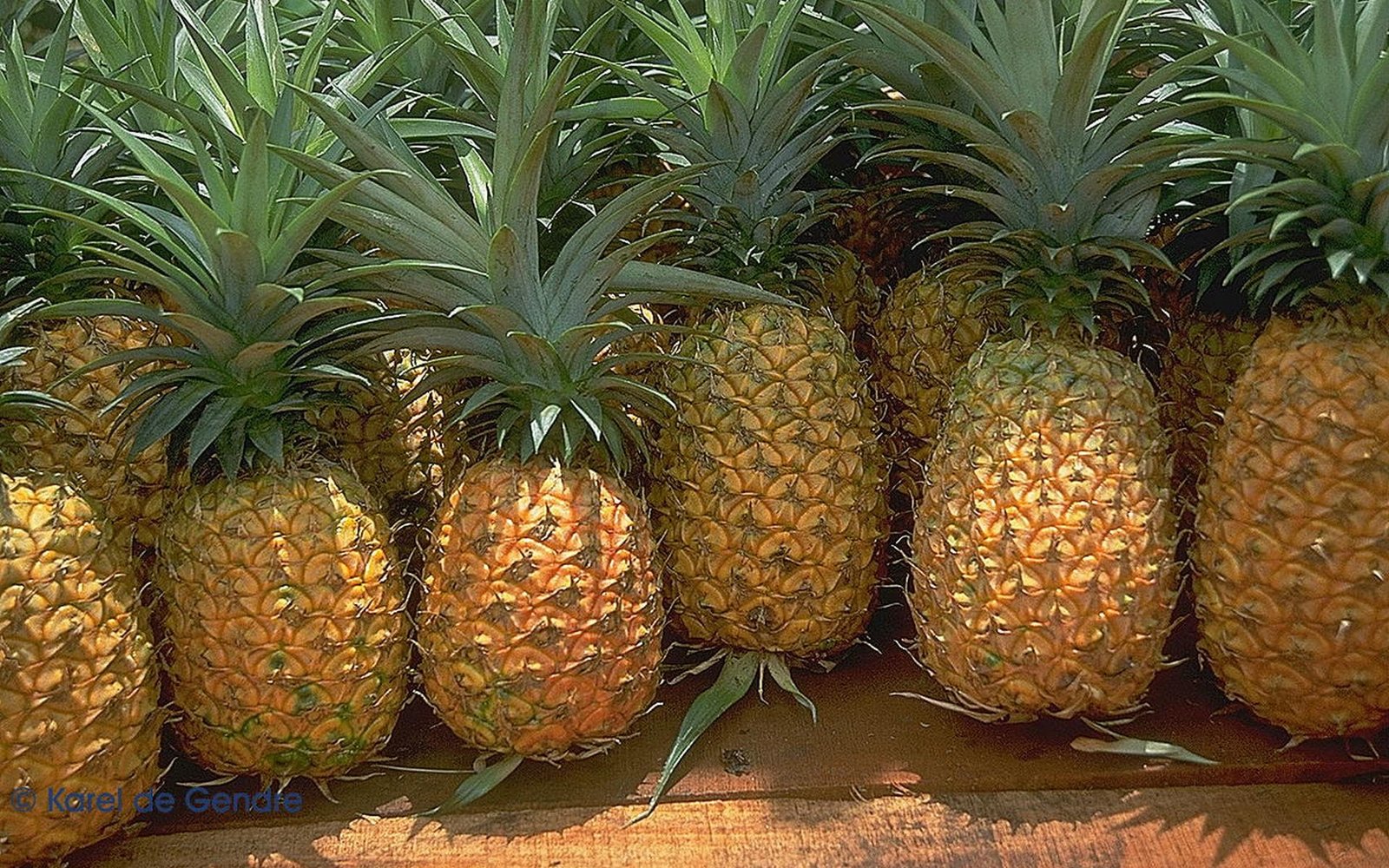
The shipment, consisting of 18 metric tonnes of fresh MD2 pineapples packed in 1,500 boxes, departed from Davao and is expected to arrive at Khorfakkan Port in the UAE later this month, reinforcing the country’s growing presence in one of the region’s most important fresh produce markets.
Sourced from farms in Tampakan, South Cotabato, the consignment was organized by exporter Mensch Fil-Am Corporation and represents more than a routine commercial transaction. Industry officials view the shipment as an important signal of the Philippines’ ability to access premium overseas markets despite mounting challenges facing global agricultural trade.
The export comes at a time when international supply chains continue to grapple with elevated freight costs and shipping disruptions linked to ongoing instability in the Red Sea region, conditions that have complicated the movement of agricultural commodities worldwide.
Against that backdrop, the successful dispatch of fresh pineapples to the UAE highlights both the resilience of Philippine exporters and the growing competitiveness of the country’s high-value crop sector.
Expanding Market Opportunities
The Middle East has emerged as an increasingly attractive destination for Philippine agricultural exports as governments across the Gulf seek to strengthen food security through diversified import sourcing.
For the Philippines, the UAE represents not only a lucrative consumer market but also a strategic gateway into the wider Gulf region.
Agriculture Secretary Francisco P. Tiu Laurel Jr. described the shipment as part of a broader effort to create new opportunities for Philippine farmers while expanding the country’s export earnings.
According to the Department of Agriculture (DA), every successful entry into an overseas market strengthens farm incomes, generates employment across agricultural value chains and encourages greater investment in rural production systems.
Officials believe expanding access to premium export markets can help improve the long-term competitiveness of Philippine agriculture while creating more stable demand for local producers.
Pineapple Emerges as a Key Export Driver
The shipment also underscores the growing importance of pineapples within the country’s agricultural export portfolio.
According to data from the Philippine Statistics Authority, pineapple has become the Philippines’ leading agricultural export to the UAE, reflecting strong consumer demand and the country’s reputation as a reliable supplier of tropical fruit.
Industry observers note that global demand for premium fruit varieties such as MD2 pineapples continues to rise, particularly in markets where consumers increasingly prioritize quality, consistency and food safety.
The ability to maintain these standards has become an important competitive advantage for exporting nations.
Strengthening Trade and Compliance
Beyond its commercial significance, the shipment demonstrates the sector’s ability to comply with increasingly stringent international phytosanitary requirements.
Meeting import regulations remains one of the most critical challenges facing agricultural exporters, particularly in premium markets where food safety and traceability standards continue to tighten.
The Department of Agriculture said the successful export reflects the coordinated efforts of the Bureau of Plant Industry (BPI), regional agricultural authorities and exporters to ensure compliance with UAE import protocols.
Such achievements are expected to strengthen confidence among international buyers while opening additional opportunities across the Gulf Cooperation Council (GCC) region.
Supporting a Broader Export Agenda
The shipment aligns with the government’s broader strategy of expanding agricultural exports as part of efforts to improve the country’s trade balance.
Despite recording a modest improvement last year, the Philippines’ agricultural trade deficit remained substantial at approximately $11.1 billion in 2025, underscoring the need to increase the contribution of export-oriented agricultural sectors.
To address this challenge, the Department of Agriculture has accelerated initiatives aimed at identifying new markets, supporting exporters and promoting higher-value agricultural products abroad.
These efforts are being coordinated through the department’s High Value Export Crop, Agri-Fishery Export Development and Promotion Office, which was established to strengthen the country’s export capabilities and improve market access for Philippine producers.
Gateway to the Gulf
For policymakers and exporters alike, the UAE shipment represents more than a single cargo movement.
It offers a glimpse into a larger opportunity to position Philippine agriculture within some of the world’s fastest-growing food import markets.
As global supply chains continue to evolve and food security rises on the agenda of many importing nations, the ability to consistently deliver premium agricultural products could become a critical competitive advantage.
For the Philippines, the arrival of fresh pineapples in the UAE may be only the beginning of a broader push to establish stronger trade corridors across the Middle East—creating new growth opportunities for farmers, exporters and the wider agricultural economy.
