
CP Group, Mitr Phol, Nestlé among signatories; traceability push targets PM2.5 crisis
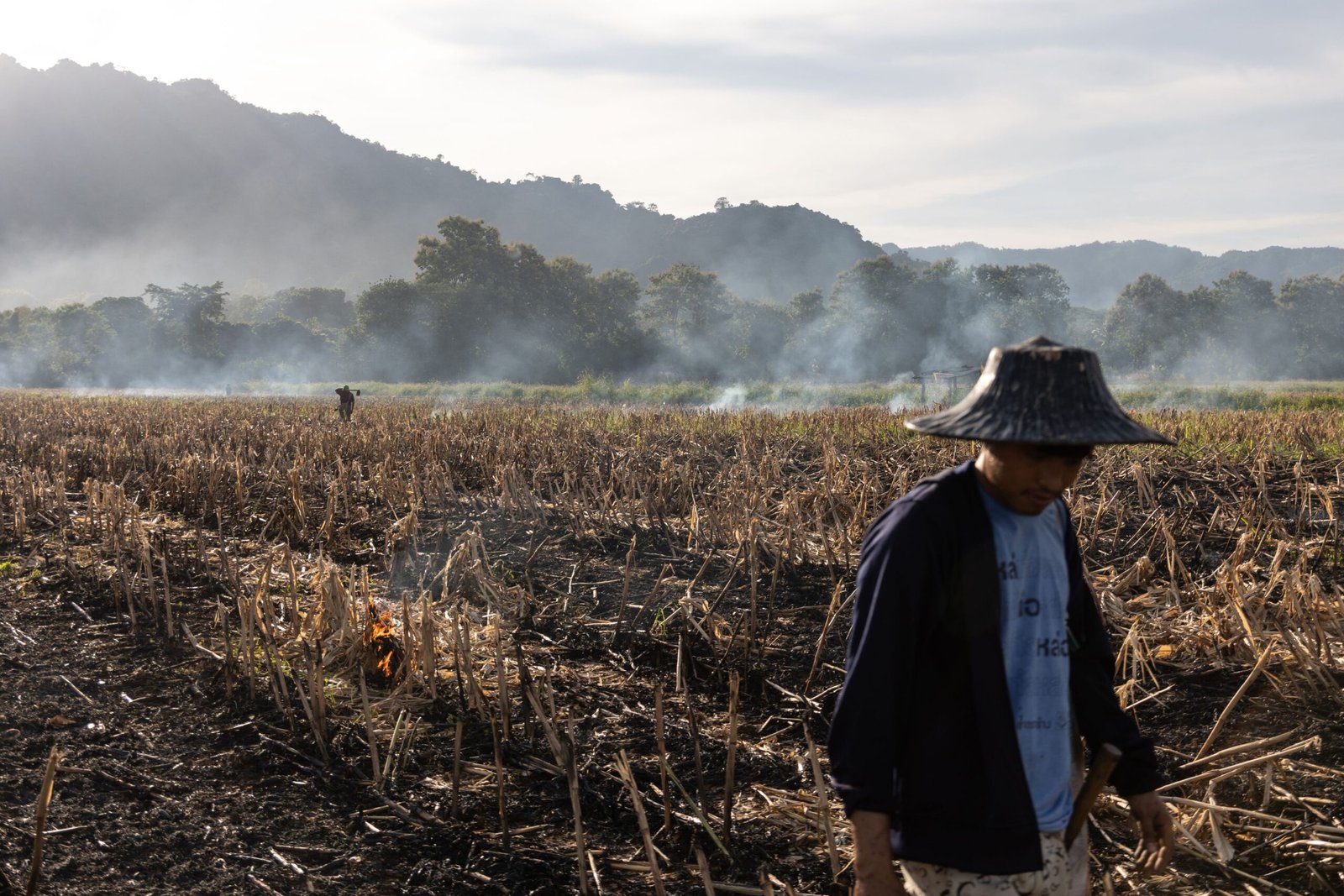
Thailand’s leading corporates and public institutions have come together in a landmark sustainability initiative, with over 100 organisations signing a declaration to eliminate agricultural burning and strengthen supply chain transparency. The move, announced on Earth Day, aims to address the country’s persistent PM2.5 pollution crisis, widely linked to open burning in the farm sector.
The initiative, led by the Thai Chamber of Commerce and backed by major conglomerates such as CP Group, Mitr Phol and Nestlé, marks a coordinated shift towards sustainable agricultural sourcing. Participating entities span private companies, government agencies, academic institutions and civil society groups, reflecting broad-based support for systemic reform.
At the core of the declaration is a commitment to implement full supply chain traceability for key crops such as rice, maize and sugarcane. Companies plan to deploy advanced technologies including satellite monitoring to detect burn hotspots, GPS-based farm mapping and blockchain systems to create verifiable, tamper-proof records of crop origins.
Industry leaders said the approach seeks to tackle pollution at its source by ensuring that raw materials entering supply chains are free from links to burning or environmental degradation. The initiative also introduces market-based enforcement, with companies committing to reject procurement from suppliers unable to provide traceable, burn-free verification.
Stakeholders emphasised that traceability will not only strengthen environmental accountability but also enhance global market credibility, particularly as international buyers increasingly demand transparency and sustainability compliance.
The declaration outlines seven key commitments, including achieving zero agricultural burning, ensuring 100 per cent traceability, promoting sustainable farming practices, complying with regulatory and global standards, enabling supply chain participation, maintaining data transparency and fostering continuous innovation.
The coordinated industry action signals a significant step towards aligning Thailand’s agricultural ecosystem with global sustainability benchmarks, while addressing one of the country’s most pressing environmental challenges.
