
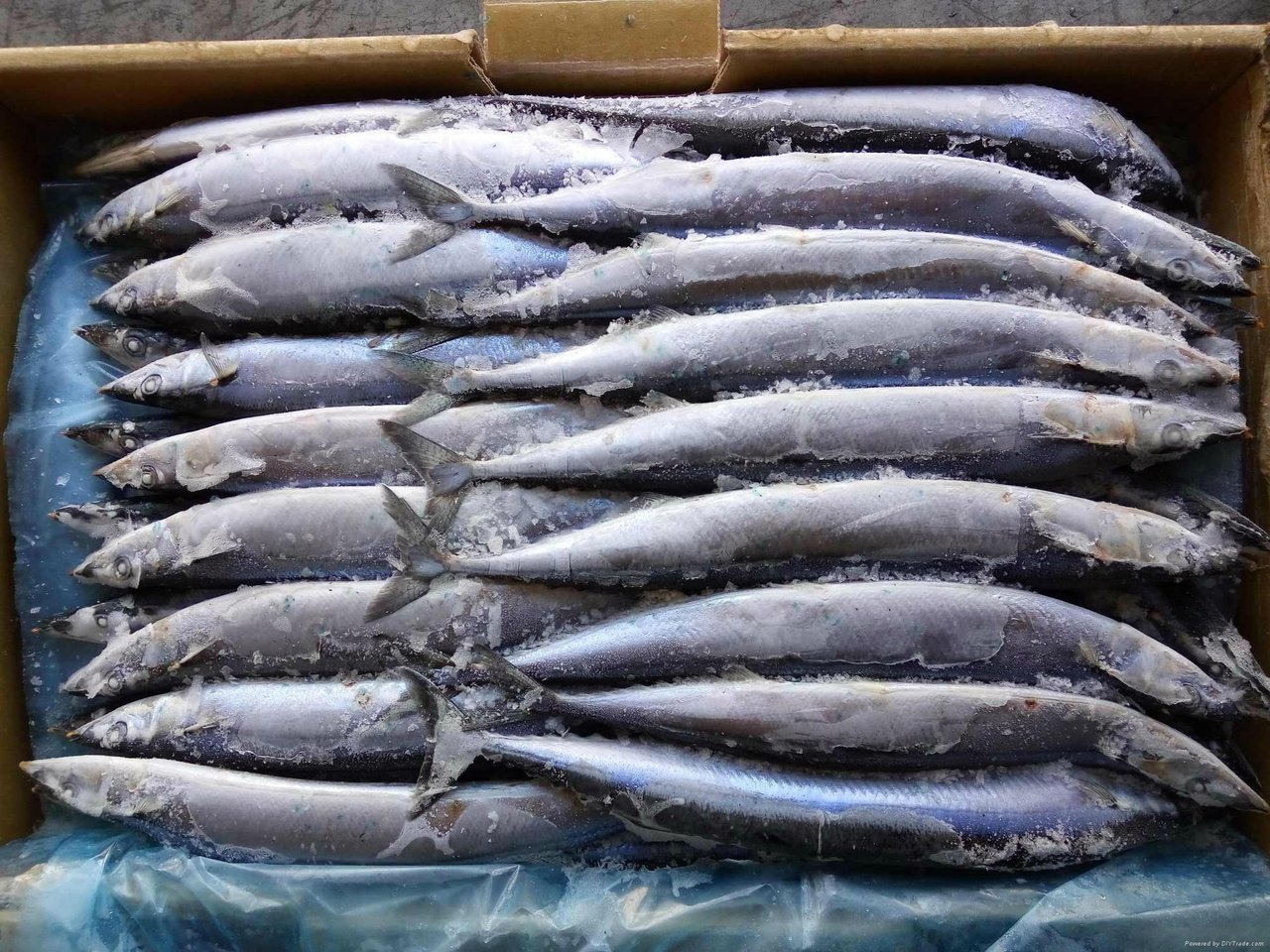
Japan’s push for steeper cuts falls short at fisheries meet
Japan and eight other economies have agreed to reduce their combined saury fishing quota by 5 per cent for 2026, as part of ongoing efforts to address declining fish stocks in the North Pacific.
The agreement, reached under the North Pacific Fisheries Commission at a recent meeting in Osaka, will lower the total allowable catch from the current 202,500 tonnes, covering both international waters and exclusive economic zones (EEZs) of member countries.
The nine-member grouping includes China, Taiwan, South Korea and Russia, among others. While the decision marks a step towards conservation, it falls short of Japan’s proposal to cut quotas by 10 per cent, which it had pushed for to accelerate the recovery of depleted saury stocks.
Officials said the commission has agreed to implement a deeper 10 per cent reduction in 2027, signalling a phased approach to tightening fishing limits in the coming years.
Japan has been advocating stricter controls, particularly in international waters, citing higher fishing activity by some member economies. In 2025, Japan’s quota stood at around 16,000 tonnes in international waters, with a combined allocation of about 81,000 tonnes for Japan and Russia within their EEZs.
Despite catching approximately 64,800 tonnes in 2025—below its quota but nearly 1.7 times higher year-on-year due to favourable ocean conditions—the long-term trend remains concerning. Total saury catches have declined by nearly 80 per cent compared to their peak in 2008, highlighting the urgency of coordinated conservation measures.
The latest agreement underscores growing regional efforts to balance fishing activity with sustainability, as stakeholders seek to restore fish populations while maintaining economic viability for the industry.
