
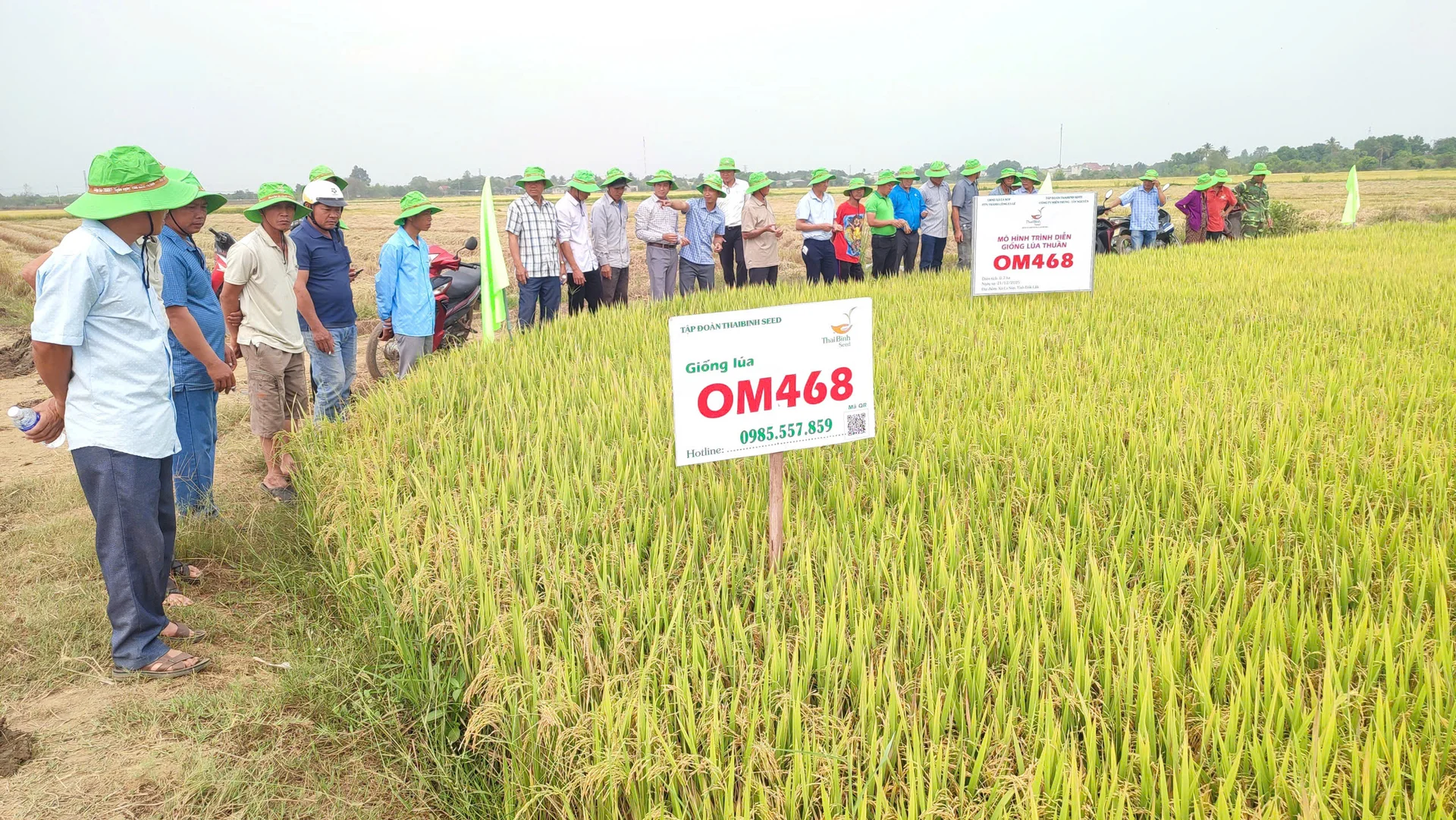
New policy framework for 2026–2030 seeks to transform fragmented farming into a coordinated, technology-driven and market-linked rural economy
Dak Lak Province is embarking on an ambitious restructuring of its agricultural economy, positioning cooperatives and value-chain partnerships at the center of a long-term strategy to build a more resilient, technology-enabled and commercially competitive farm sector.
Under Resolution No. 20/2025/NQ-HĐND, the province has unveiled a sweeping roadmap for the 2026–2030 period aimed at accelerating cooperation and production linkages across agriculture. At the heart of the initiative lies a bold target: by 2030, more than 35 percent of Dak Lak’s agricultural output value is expected to originate from cooperative and linkage-based production models.
The policy reflects a broader transition underway in Vietnamese agriculture — from a historical emphasis on volume expansion toward a more sophisticated model focused on quality, traceability, processing efficiency and value addition.
Provincial authorities view production linkages not merely as commercial arrangements, but as structural instruments capable of reorganizing agriculture around integrated ecosystems where farmers, cooperatives and enterprises participate across the entire value chain — from cultivation and livestock production to processing, branding and market distribution.
In practical terms, Dak Lak’s strategy aims to gradually replace fragmented and unstable production systems with coordinated agricultural networks that provide farmers greater access to technology, stable market channels and standardized production practices, while simultaneously allowing enterprises to secure more reliable and quality-assured raw material supply.
The province’s implementation blueprint extends beyond headline targets and ventures deep into institutional and operational reform. Each commune has been encouraged to establish at least two production-consumption linkage models tailored to local ecological conditions and commodity strengths, creating a decentralized yet scalable framework for cooperative-led agricultural modernization.
Officials believe this localized approach will help diffuse successful linkage models across the province while strengthening rural participation in commercial agriculture.
To support the transition, Dak Lak is deploying a broad set of synchronized interventions spanning financing, infrastructure, technology adoption, human resource development and trade facilitation.
A key pillar of the initiative involves reshaping farmer perceptions around cooperative participation. Communication campaigns are being intensified to encourage producers to proactively engage in collaborative value-chain models rather than rely solely on state support mechanisms. Simultaneously, incentive policies are being expanded to improve access for cooperatives and agribusinesses seeking to participate in linkage programmes.
The province is also streamlining administrative procedures and prioritizing financial allocations to accelerate implementation timelines and improve operational efficiency for agricultural projects.
Science and technology integration has emerged as another defining feature of the strategy. Dak Lak is promoting modernization across the agricultural production cycle — including seed systems, cultivation techniques, preservation technologies and post-harvest processing. Collaboration with research institutes and technical centers is expected to facilitate faster transfer of innovations to farmers and cooperatives.
Human capital development is also receiving heightened attention. Cooperative managers, farm operators and rural workers are being provided with more structured training in production management, technical skills and agribusiness operations as the province prepares its agricultural workforce for increasingly market-oriented production systems.
Trade promotion efforts are simultaneously being expanded to strengthen both domestic and export positioning for Dak Lak’s agricultural products. Provincial authorities are placing renewed emphasis on branding, product labeling, exhibitions and international market outreach in an effort to elevate the visibility and competitiveness of local commodities.
Infrastructure development forms another cornerstone of the strategy. Investments are being directed toward transportation networks, electricity systems, storage facilities and logistics capabilities designed to support more efficient agricultural value chains. Ancillary services including agricultural inputs, seed distribution, plant protection and processing operations are likewise being reorganized around integrated commercial ecosystems.
Beyond physical infrastructure, the province is placing significant focus on policy feedback and scalability. Successful linkage models are expected to be documented, evaluated and replicated across additional regions, while implementation bottlenecks are to be addressed through continuous monitoring and policy adjustments.
Dak Lak authorities acknowledge that achieving the target of generating 35 percent of agricultural output value through cooperative-based systems represents a long-term undertaking requiring broad coordination between government agencies, businesses, cooperatives and farming communities.
Yet the province’s strategy signals a deeper transformation underway in Vietnam’s agricultural landscape — one where competitiveness is increasingly defined not only by production capacity, but by the ability to integrate technology, collaboration, sustainability and market intelligence into a unified rural growth model. For Dak Lak, the cooperative is no longer being positioned as a peripheral support structure. It is being recast as the institutional backbone of a modern agricultural economy.
