Commercial catch rises, but sector faces mounting pressure amid policy shifts and falling aquaculture production
The Philippines’ fisheries sector opened 2026 on uncertain waters, as total fisheries production contracted sharply in the first quarter, underscoring deepening structural stress across aquaculture and municipal fishing communities even as commercial operators posted gains.
Fresh data released by the Philippine Statistics Authority (PSA) showed that national fisheries output fell 15.3 percent year-on-year to 856,291 metric tons (MT) during the January-to-March period, down from 1.01 million metric tons recorded in the corresponding quarter of 2025. The decline marks one of the sector’s steepest quarterly contractions in recent years and reflects intensifying pressure on marine resources, fragile coastal livelihoods, and the country’s aquaculture ecosystem.
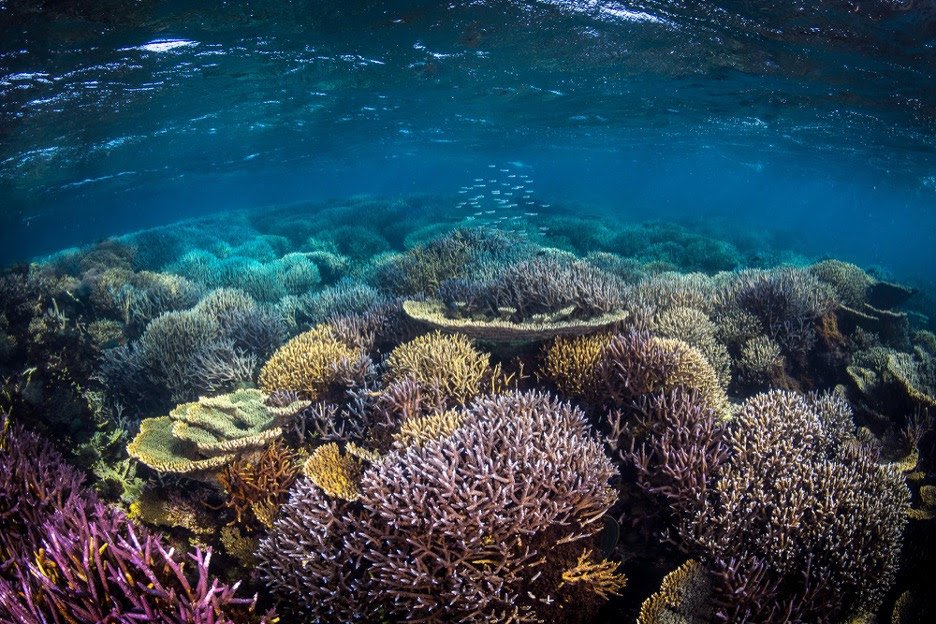
The downturn was driven primarily by a severe contraction in aquaculture production, which plunged 24.5 percent to 432,755 MT from 573,282 MT a year earlier. As aquaculture traditionally contributes more than half of the country’s total fisheries output, the collapse reverberated across the entire industry, dragging national production into negative territory despite resilience in select commercial segments.
Industry stakeholders warned that the numbers reflect more than cyclical volatility. According to Sinag Executive Director Jayson Cainglet, recent policy shifts permitting commercial fishing fleets to operate within the country’s protected 15-kilometer municipal water zone have intensified competitive pressure on small-scale fishers while accelerating ecological strain in already stressed fishing grounds.
“The fisheries sector continues to weaken following policy changes that allowed commercial vessels into the 15-kilometer municipal waters, undermining small fishers and accelerating resource pressure,” Cainglet said, framing the production slump as both an economic and governance challenge for the country’s coastal economy.
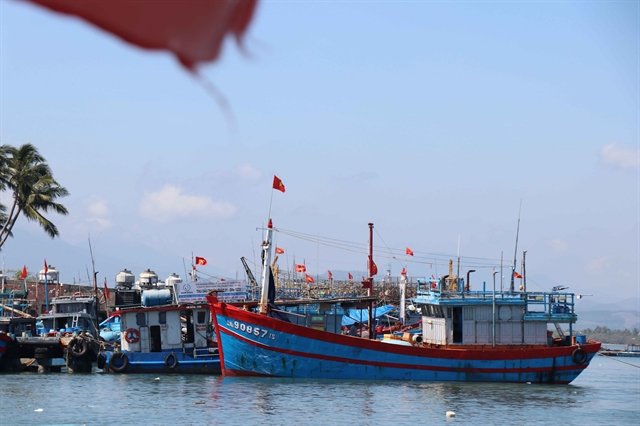
Marine municipal fisheries — long considered the backbone of smallholder coastal livelihoods — registered a 15.5 percent decline in production to 168,022 MT from 198,945 MT in the same period last year. The subsector accounted for 19.6 percent of total fisheries production during the quarter. Inland municipal fisheries likewise slipped 4.5 percent to 50,279 MT, highlighting persistent weakness across community-based fishing operations.
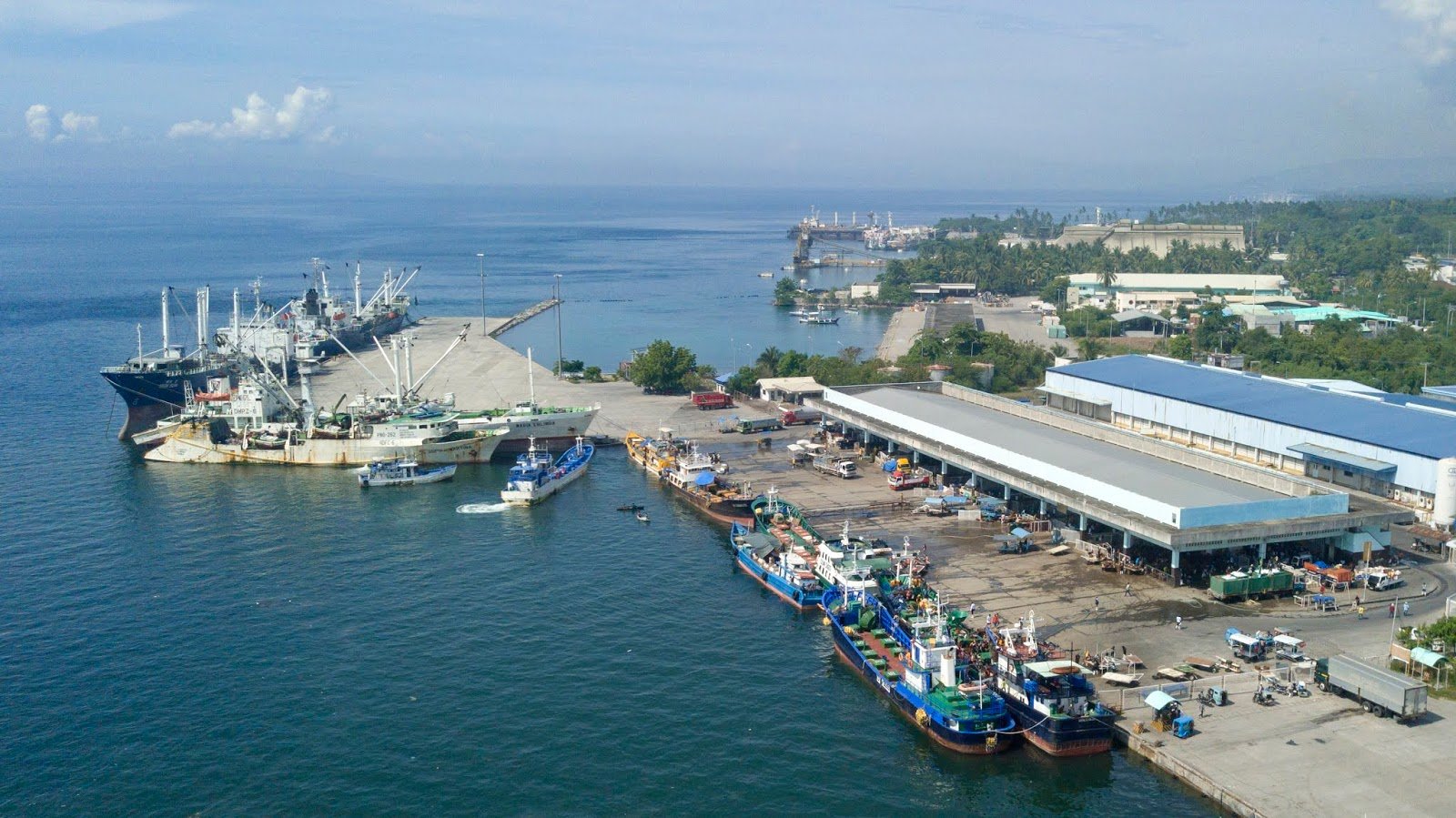
Commercial fisheries, however, emerged as the lone bright spot in the PSA report, posting a 10.4 percent increase in production to 205,234 MT from 185,929 MT a year earlier. The subsector contributed roughly 24 percent of total fisheries output during the period, reinforcing concerns among fisherfolk groups that larger commercial operators are increasingly consolidating their advantage amid regulatory changes.
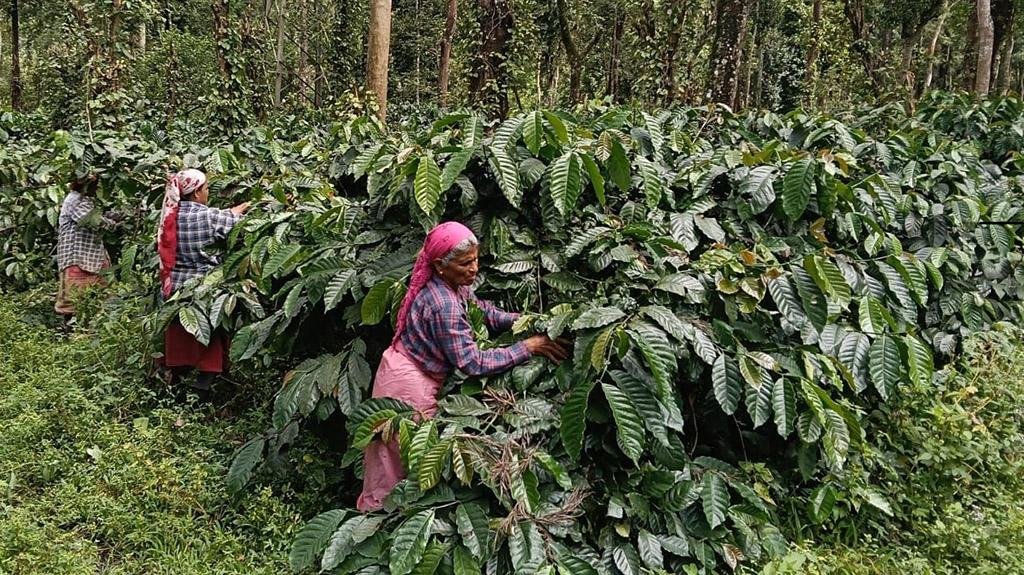
Species-level data painted a similarly uneven picture. Output declines were recorded across several key commodities, most notably seaweed production, which collapsed 34 percent to 254,659 MT from 358,692 MT in the prior year. Big-eyed scad production fell 24.9 percent to 20,355 MT, while skipjack output declined 8.7 percent to 58,826 MT. Bali sardinella production also contracted 12.1 percent to 29,832 MT.
Yet amid the broader downturn, select species recorded robust gains. Production of roundscad surged 48.6 percent to 50,382 MT, while fimbriated sardines climbed 44.7 percent to 12,115 MT, offering a rare counterbalance to an otherwise difficult quarter for the industry.
The latest figures arrive at a pivotal moment for the Philippines’ fisheries economy, which remains deeply intertwined with food security, rural employment, and export earnings. Analysts warn that unless production declines in aquaculture and municipal fisheries are reversed through targeted intervention, sustainability reforms, and stronger resource management, the sector risks entering a prolonged phase of instability.
For now, the first-quarter data serves as a stark reminder that while commercial fleets may be expanding their catch, the broader ecosystem underpinning Philippine fisheries is showing unmistakable signs of strain.