
According to a new report published by Allied Market Research, titled, “Cocoa Market by Product Type, Process, Nature, Quality, and Application: Global Opportunity Analysis and Industry Forecast, 2021–2027,” the global cocoa market size was valued at $12,874.0 million in 2019, and is projected to reach $15,501.1 million by 2027, registering a CAGR of 4.3% from 2021 to 2027.
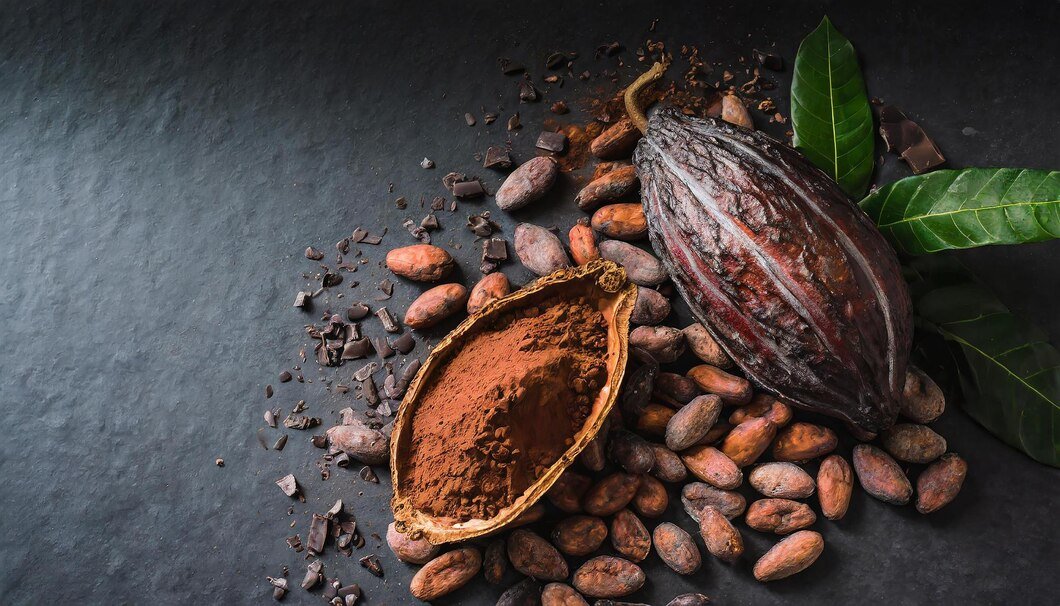
Cocoa is extracted from Theobroma tree or cacao tree. The cocoa or cocoa beans are dried and fermented to produce cocoa liquor and by processing the cocoa liquor, cocoa butter and cocoa powder is extracted. The growing demand for chocolate is the key factor propelling the global cocoa market. Cocoa liquor is the major ingredient used to manufacture chocolate. Cocoa is widely used as flavoring, coloring, filling, and as topping in food & beverages, confectionery, and bakery industries. The growing application of cocoa in these industries is fueling the growth of the global cocoa market.
The sustainability in the production of cocoa is one of the key factors consumers look for while buying cocoa products, especially the European consumers. Storytelling is the new trend that the cocoa and chocolate producers are using as a marketing tool. Consumers are very much interested to know the story behind the products they purchase. Hence, storytelling has become a new strategy that cocoa and chocolate marketers are using lately in the global cocoa market.
According to the cocoa market forecast, on the basis of product type, the cocoa liquor segment was the highest contributor to the market, with $4,837.1 million in 2019, and is expected to sustain its significance during the forecast period. The cocoa liquor, also known as chocolate liquor is the essential item required to produce raw chocolate. Cocoa butter and cocoa powder are also produced from cocoa liquor. Based on application, it is segmented into confectionery, food & beverages, bakery, pharma, animal feed, and others. Region wise, it is analyzed across North America (the U.S., Canada, and Mexico), Europe (the Netherlands, Germany, Belgium, France, the UK, Italy, Spain, Switzerland, and rest of Europe), Asia-Pacific (China, Japan, India, Malaysia, Indonesia, Singapore, and rest of Asia-Pacific), and LAMEA (Brazil, Iran, United Arab Emirates, and rest of LAMEA).
There are few factors that may hinder the growth of the global cocoa market. The most important restraint is the availability of cocoa substitutes such as carob powder, illipe, shea, sal, palm oil, and mango kernels. These substitutes are easy to manufacture and are available at lower cost. Further, the cocoa market is subject to price fluctuations. According to the International Cocoa Organization, the production cap by West African countries and unfavorable weather conditions created a gap between the demand and supply of cocoa. This will lead to rising prices of cocoa and as a result the chocolate producers may opt for cocoa substitutes. This is the constraining factor to the global cocoa market.
