
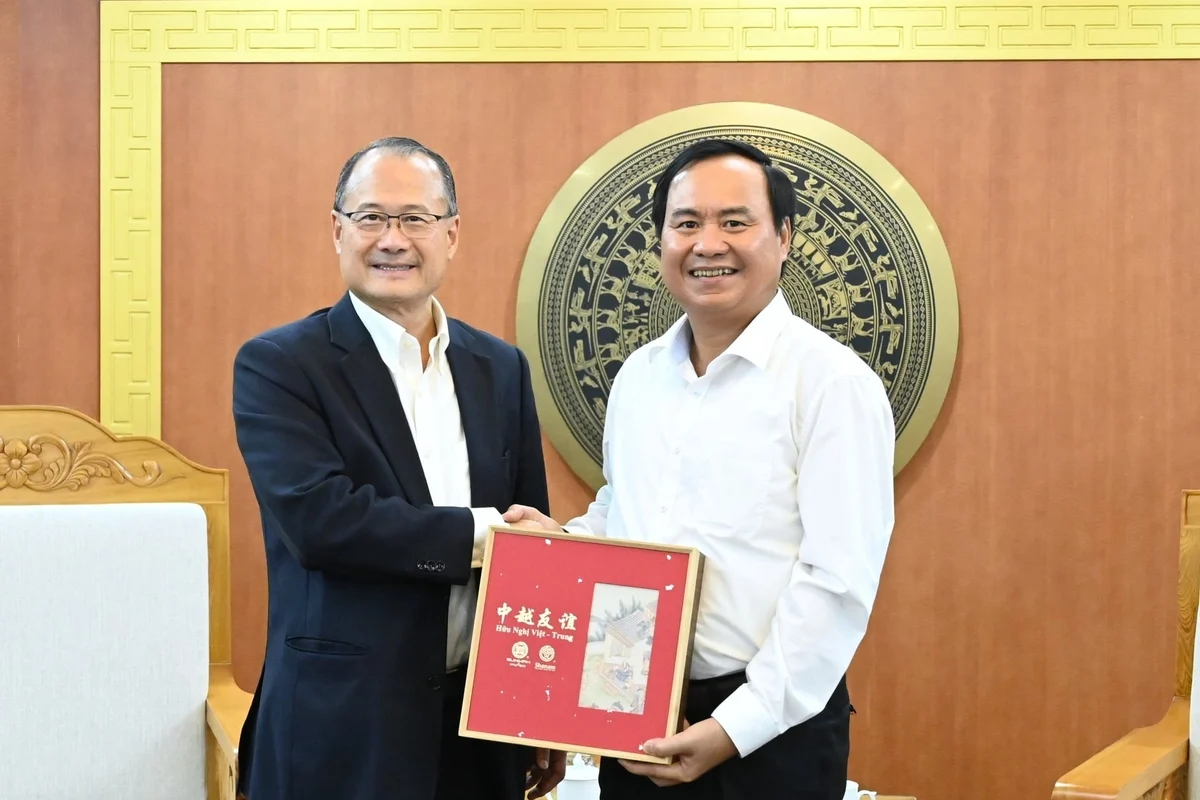
Proposed technologies include remote sensing, precision aquaculture systems, soil restoration solutions, and digital traceability platforms
Hong Kong-based conglomerate Sun Wah Group and Vietnam’s Ministry of Agriculture and Environment (MAE) are advancing discussions on agricultural value chain transparency, digital traceability systems, and smart farming technologies as part of broader efforts to modernise Vietnam’s agricultural economy and strengthen sustainable production systems.
The discussions took place during a high-level meeting on May 28 between Vietnam’s Deputy Minister of Agriculture and Environment, Vo Van Hung, and Jonathan Choi, Chairman of Sun Wah Group. The bilateral engagement focused on cooperation in agricultural traceability, data governance, digital transformation, environmental protection, and the application of advanced technologies across production and processing systems.
Vietnamese officials highlighted the country’s ongoing transition from a production-centred agricultural model toward a value-chain-oriented agricultural economy emphasising sustainability, food safety, emissions reduction, and brand development. According to the ministry, traceability, digitalisation, and data integration are becoming increasingly central to the competitiveness of Vietnamese agricultural exports in global markets.
Deputy Minister Vo Van Hung acknowledged Sun Wah’s expanding role in promoting Vietnamese agricultural products internationally, particularly within the Chinese market. Beyond conventional trade activities, the partnership has increasingly extended into value chain development, technical transfer, farmer training, and market expansion initiatives across multiple commodity sectors.
Sun Wah, which initially established its presence in Vietnam through seafood trade, has since diversified into coffee, cashew nuts, durian, tea, flowers, and other agricultural products. The company has also conducted technical training programmes for Vietnamese farmers, including specialised courses on tea cultivation, processing, packaging, and value-added production systems.
During the meeting, Sun Wah proposed deeper collaboration in the development of traceability standards and agricultural databases, alongside the broader adoption of digital technologies within farming systems. The discussions also covered opportunities for expanding science and technology transfer in livestock, aquaculture, and crop cultivation.
Several strategic subsidiaries under Sun Wah Group presented technology-driven cooperation proposals aimed at supporting Vietnam’s sustainable agriculture agenda. Yunnan National Tea Company proposed collaboration on tea industry capacity-building programmes and the creation of a national tea branding model linked to traceability systems, quality standards, digitalisation, and tourism integration.
Technology company Inspur Intelligent Terminal Equipment outlined potential applications of artificial intelligence, cloud computing, and remote sensing for precision agriculture. Proposed solutions included intelligent monitoring systems for light, temperature, water, soil, and air management, as well as smart aquaculture and livestock systems incorporating automated oxygenation, disease prevention, and precision feeding technologies.
Meanwhile, Lingnong Agricultural Technology introduced microbial and biological agricultural solutions designed to improve soil quality, reduce pesticide residues, and strengthen crop resilience. According to the company, these technologies could reduce pesticide usage by up to 30–40 per cent while supporting more environmentally sustainable farming systems.
Environmental infrastructure also formed part of the discussions, with MCC Group proposing cooperation in integrated water management, ecological restoration, and urban environmental rehabilitation projects tailored to local Vietnamese conditions.
Vietnamese authorities indicated that many of the proposals closely align with the country’s strategic priorities, including specialty crop development, traceability systems, digital transformation, sustainable land management, and water pollution control.
The meeting concluded with both sides agreeing to further strengthen engagement through thematic conferences, networking initiatives, and technical exchanges aimed at converting policy dialogue into concrete cooperation programmes. The discussions underscore Vietnam’s growing emphasis on digitally integrated, sustainability-oriented agricultural development and the increasing role of international partnerships in shaping the country’s evolving agri-food ecosystem.
