
The partnership aims to improve production resilience, mechanization, and long-term food-system sustainability
Viet Nam and Sri Lanka are deepening agricultural cooperation as both countries move to strengthen food production resilience, technology exchange, and long-term farm-sector modernization through expanded collaboration in fertilizers, machinery, fisheries, and livestock systems.
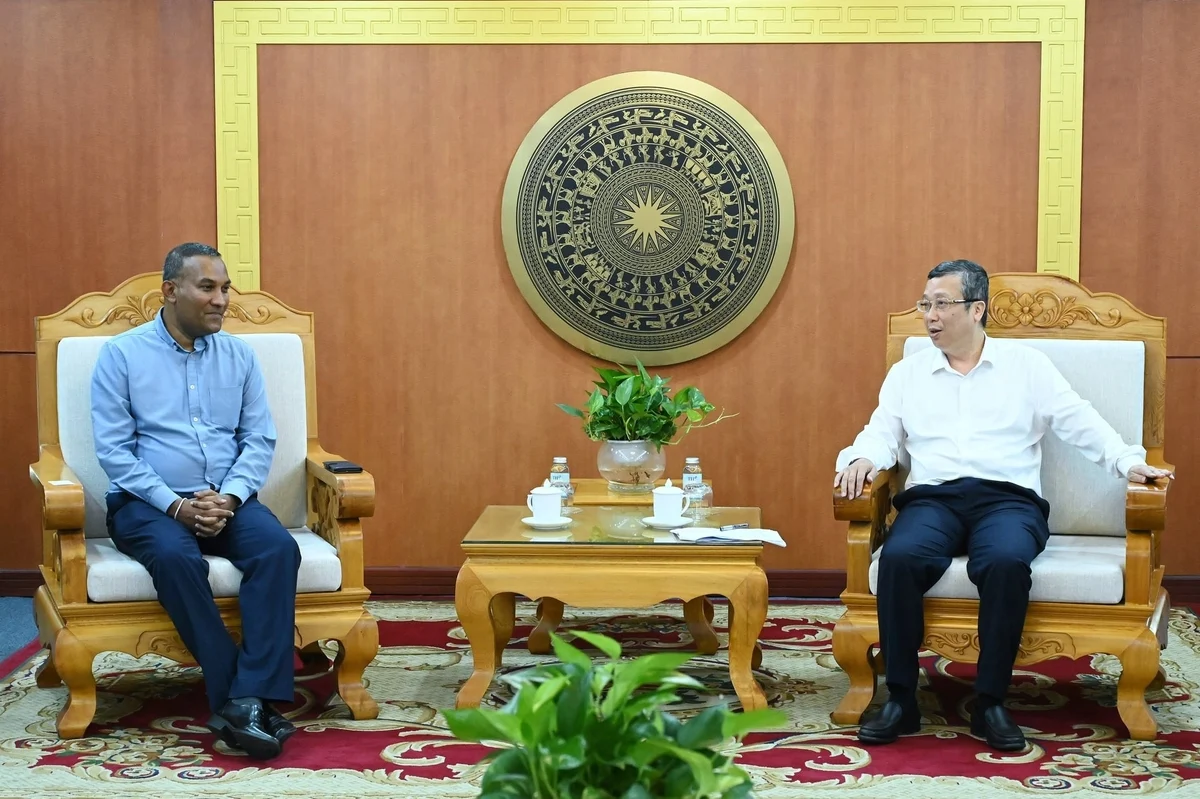
During high-level discussions held on April 28, Hoang Trung and Poshitha Perera reaffirmed their commitment to advancing bilateral agricultural ties, reflecting a broader regional push toward strategic cooperation in food security and sustainable agricultural development.
The meeting underscored growing momentum in the Vietnam–Sri Lanka agricultural relationship, particularly across fisheries, livestock, veterinary systems, fertilizer cooperation, and agricultural mechanization.
Deputy Minister Hoang Trung noted that although bilateral agricultural trade volumes remain relatively modest, significant opportunities exist to expand cooperation in both commercial and technical domains.
The Vietnamese side expressed readiness to support Sri Lanka’s agricultural modernization efforts through greater engagement in fertilizer supply, agricultural machinery deployment, and science-based farming technologies.
Discussions also focused on potential pilot projects involving the transfer and deployment of Vietnamese agricultural machinery in Sri Lanka, with both governments expected to further coordinate implementation frameworks and identify receiving institutions for future collaboration initiatives.
Sri Lanka additionally raised interest in strengthening long-term fertilizer cooperation with Viet Nam, particularly as the island nation continues efforts to stabilize agricultural production following recent economic and supply-chain disruptions that significantly impacted farm input availability.
Ambassador Poshitha Perera praised the quality and production capacity of Vietnamese fertilizers while highlighting Viet Nam’s growing expertise in agricultural technology systems and specialized seasonal crop management models.
The Sri Lankan envoy also emphasized that Viet Nam’s experience in agricultural recovery, productivity enhancement, and technology adoption has become increasingly relevant for countries seeking to modernize farming systems under conditions of climate and market volatility.
Particular attention was given to the compatibility between Sri Lanka’s agro-climatic conditions and those of the Mekong Delta region, which officials suggested could facilitate the adaptation of Vietnamese machinery and agricultural technologies within Sri Lankan farming systems.
Beyond fertilizers and mechanization, the two countries also discussed opportunities to deepen cooperation in crop science, livestock management, and agricultural research.
Deputy Minister Hoang Trung specifically highlighted Sri Lanka’s globally recognized tea industry as an area where both sides could further exchange technical expertise and strengthen industry-level collaboration.
The meeting concluded with an agreement to intensify information exchange, expand business-to-business engagement, and accelerate the operationalization of agricultural cooperation initiatives in the months ahead.
The expanding partnership reflects a broader trend across Asia, where governments are increasingly pursuing cross-border agricultural collaboration to strengthen food security, diversify supply chains, improve technological capabilities, and build greater resilience against climate and geopolitical disruptions.
For both Viet Nam and Sri Lanka, the relationship now extends beyond traditional trade diplomacy toward a more integrated model centered on agricultural sustainability, technology transfer, and long-term rural economic development.
