
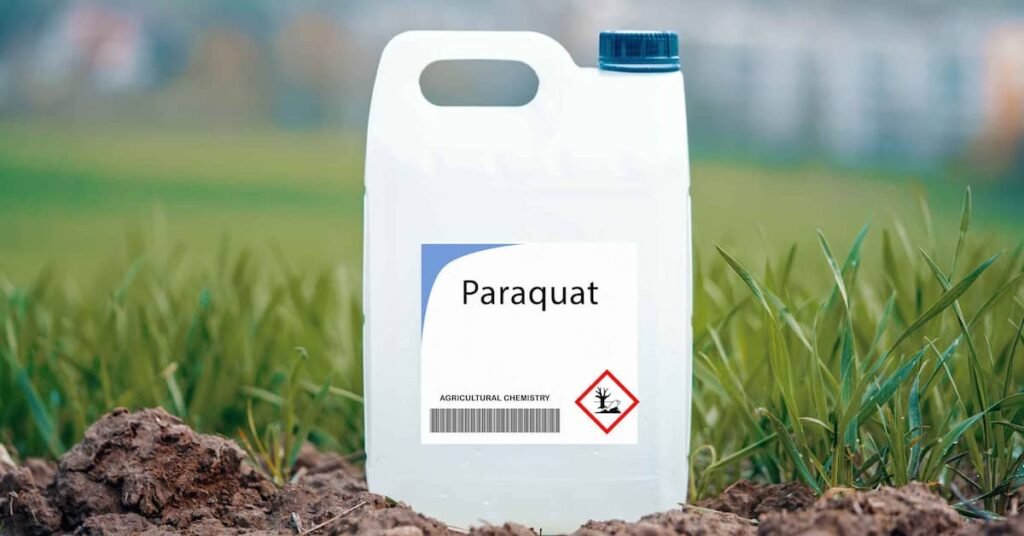
Landmark legislation signed by Governor Phil Scott makes Vermont the first US state to prohibit paraquat, a herbicide linked in studies to elevated Parkinson’s disease risk
Vermont has etched itself into American environmental policy history by becoming the first state in the United States to ban paraquat, a highly toxic herbicide widely associated with severe health risks, including Parkinson’s disease. The landmark legislation, signed into law by Governor Phil Scott, reflects an escalating policy consensus that certain agrochemicals may simply be too hazardous for continued use, even within regulated agricultural systems.
The decision has been hailed as a significant victory by health advocates and environmental groups, who have long argued that paraquat’s risk profile far outweighs its agronomic utility. Scientific literature cited in multiple large-scale epidemiological studies suggests that individuals exposed to paraquat may face a roughly 250 per cent higher risk of developing Parkinson’s disease. Importantly, the exposure risk is not confined solely to agricultural applicators; pesticide drift has raised concerns for nearby residents, schoolchildren, and rural communities living in proximity to treated fields.
Beyond its chronic neurological risks, paraquat is also recognised for its acute toxicity. Even minimal ingestion can prove fatal, and no known antidote exists, making accidental exposure particularly dangerous in mixed-use rural landscapes where residential and agricultural zones often coexist. Health experts have repeatedly underscored that this dual threat—long-term neurotoxicity combined with immediate lethality—places paraquat in a category of exceptional concern.
The debate surrounding the herbicide has also acquired a global dimension. More than 70 countries have already banned paraquat, even as it continues to be manufactured by multinational agrochemical firms such as Syngenta, headquartered in Switzerland with production linked to facilities in the United Kingdom. Notably, both Switzerland and the United Kingdom themselves prohibit domestic use of paraquat, reflecting a growing divergence between production geography and regulatory standards.
Medical experts have pointed out that while only a minority of Parkinson’s cases are genetically inherited, the majority are influenced by environmental factors, including chemical exposure. Neurological testimony presented in Vermont legislative hearings highlighted that chronic exposure to paraquat may significantly elevate disease risk, strengthening the public health rationale behind the ban.
The legislative momentum was further supported by public sentiment, with polling indicating that nearly 77 per cent of Vermonters supported eliminating paraquat once informed of its associated risks. While usage data in the state remains incomplete due to limited reporting requirements, evidence presented during legislative deliberations suggested that paraquat has been used in orchard farming, strawberry cultivation, and other agricultural applications.
Under the new law, most uses of paraquat will be phased out by the end of the current year, although limited and regulated applications in orchards and berry cultivation may continue until 2030. Even so, Vermont’s decision represents a decisive regulatory pivot, prioritising precautionary public health principles over continued chemical reliance.
Ultimately, the ban signals more than a policy adjustment within a single US state. It reflects a broader global reassessment of agrochemical safety, where environmental exposure, neurological health risks, and community vulnerability are increasingly reshaping the boundaries of permissible agricultural practice. In declaring paraquat unacceptable for long-term use, Vermont has not merely legislated against a chemical—it has asserted a new hierarchy of values in which public health is placed unequivocally above agricultural convenience.
