
A new pan-African science-policy alliance aimed at reshaping the continent’s food systems has been launched amid growing concern that gains in agricultural production are failing to translate into healthier populations.
The initiative, known as the Africa Regional Collaborative for Agriculture, Nutrition and Health, or ANH-ARC, seeks to unite researchers, policymakers, development institutions, and public-health advocates behind a coordinated strategy to combat malnutrition, diet-related diseases, and widening nutritional inequality across Africa.
Its official unveiling in Accra gathered stakeholders from Africa, Europe, and North America in what organizers described as an attempt to recalibrate the continent’s food systems agenda away from fragmented interventions and toward integrated, evidence-based policymaking.
The launch arrives at a pivotal moment for African economies, many of which are confronting a paradox increasingly familiar across emerging markets: rising agricultural output coexisting with persistent undernutrition, escalating obesity rates, and the rapid expansion of ultra-processed food consumption.
In remarks delivered on behalf of Eric Opoku, Ghana’s minister for food and agriculture, officials described the initiative as the beginning of a more deliberate and coordinated phase of food-systems transformation across the continent.
The message underpinning the gathering was unmistakable: food production alone is no longer sufficient.
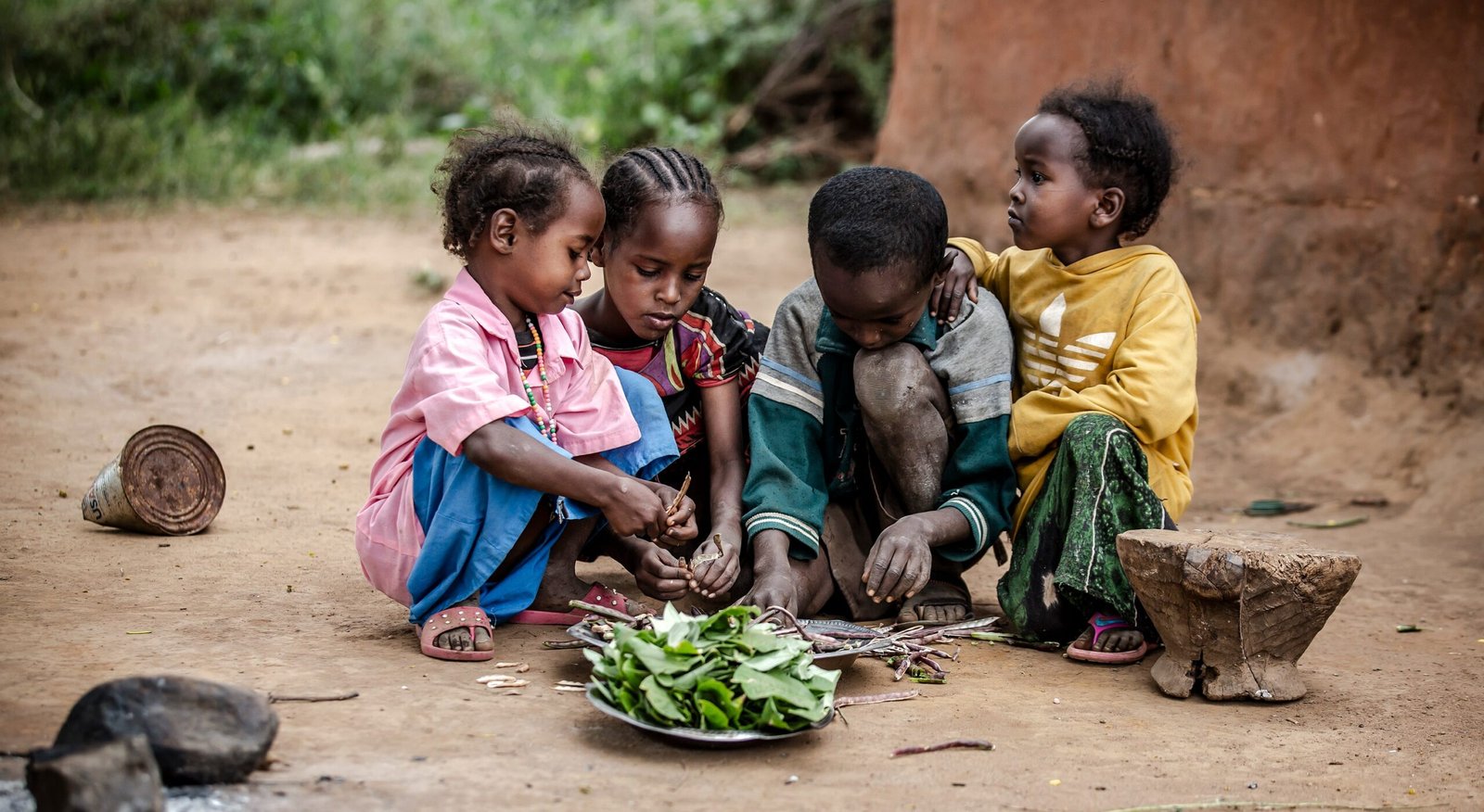
Despite notable advances in agricultural productivity across several African economies, policymakers and researchers warned that existing systems continue to generate calories without consistently delivering nutritional wellbeing. The result has been a mounting public-health burden marked by micronutrient deficiencies, diet-related illnesses, and widening disparities in access to healthy foods.
ANH-ARC intends to position itself at the intersection of agriculture, nutrition, public health, and economic policy—an institutional bridge designed to close the longstanding gap between research findings and real-world implementation.
Presenting the initiative’s strategic framework, Amos Laar, principal investigator of the platform, argued that fragmented governance structures have historically undermined the effectiveness of food-policy interventions across the continent.
Agriculture, nutrition, and healthcare systems, he noted, have too often operated in institutional silos despite their deep structural interdependence.
The platform will therefore focus not only on food production, but also on the broader architecture of food environments, financing mechanisms, governance systems, and policy accountability—areas increasingly recognized as decisive factors in shaping dietary outcomes.
The intellectual tone of the launch reflected a growing shift within global development circles: the understanding that food systems must be evaluated not merely by yield or export value, but by their capacity to improve human health.
That perspective was reinforced by Anna Lartey, professor of nutrition at the University of Ghana, who urged African governments to redesign agricultural strategies around nutritional outcomes rather than production metrics alone.
She warned that expanding food supply without addressing diet quality risks deepening, rather than resolving, the continent’s nutritional crisis—particularly among vulnerable populations such as children and low-income households increasingly exposed to unhealthy food environments.
Political accountability emerged as another recurring theme.
Neema Lugangira, former member of parliament in Tanzania, cautioned that policy declarations and international commitments would hold little value without measurable implementation frameworks, sustained financing, and institutional transparency.
Participants also highlighted mounting structural pressures affecting African food systems, including the rising cost of nutritious diets, weak coordination between agriculture and health ministries, and the accelerating penetration of inexpensive ultra-processed foods into urban and peri-urban markets.
Throughout the discussions, stakeholders repeatedly emphasized that Africa’s food transformation agenda must remain rooted in locally driven solutions rather than externally imposed development models.
The launch of ANH-ARC ultimately reflects a broader evolution in how governments and development institutions are beginning to frame food security itself—not simply as the availability of food, but as the ability of entire systems to nourish populations sustainably, equitably, and resiliently in the face of economic and climatic uncertainty.
In that emerging calculus, nutrition is no longer being treated as a byproduct of agricultural success, but increasingly as its defining measure.
