
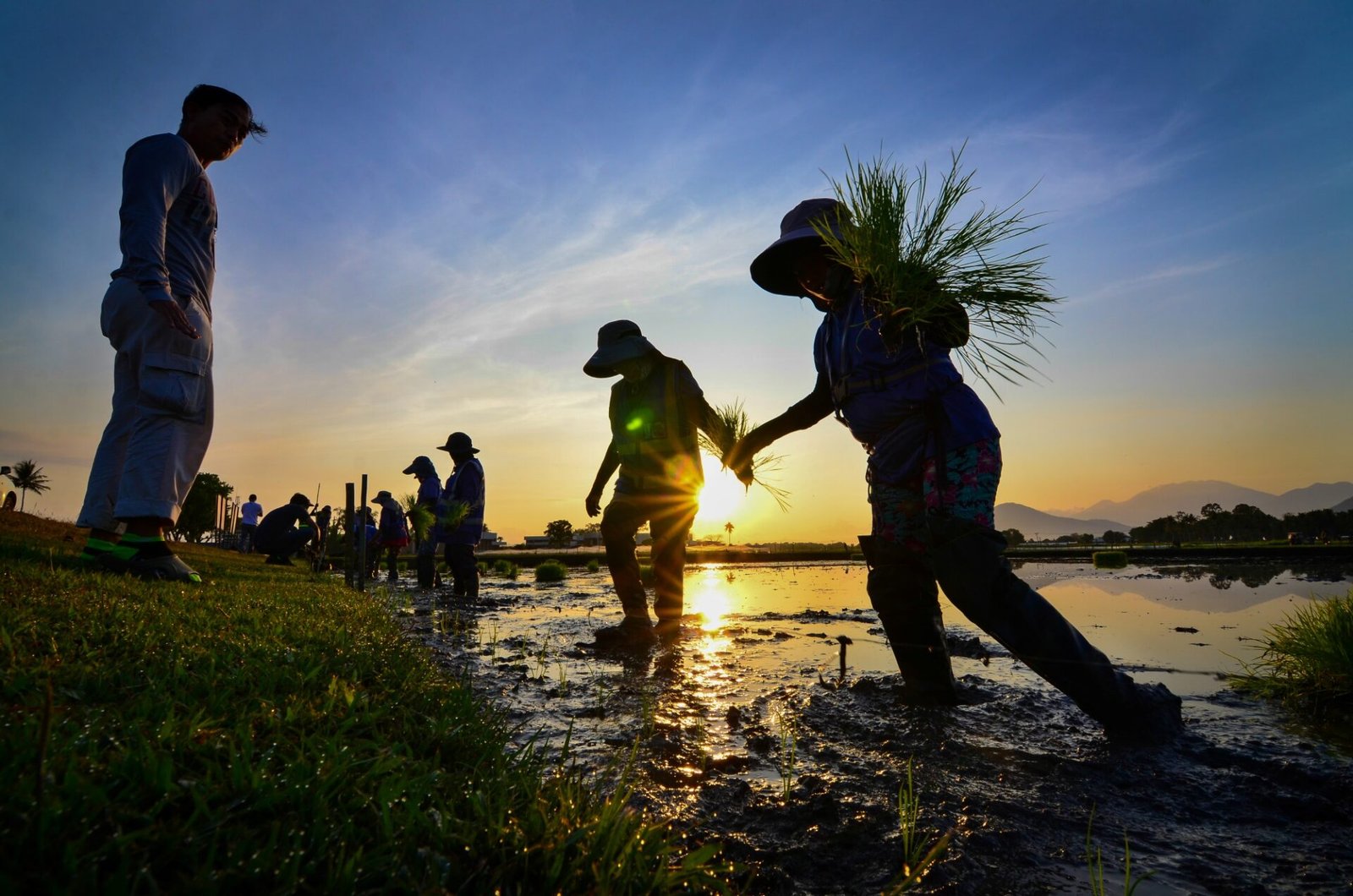
APA Project to enhance resilience, rural livelihoods and indigenous farming practices in the Philippines
The Department of Agriculture – Cordillera Administrative Region (DA-CAR) has officially commenced the full-scale implementation of the Adapting Philippine Agriculture to Climate Change (APA) Project, a landmark initiative designed to strengthen climate resilience among vulnerable farming communities across the Cordillera region.
The seven-year programme, funded by the Green Climate Fund with an allocation of $23.6 million, is being jointly implemented by the Department of Agriculture, the Department of Science and Technology – Philippine Atmospheric, Geophysical and Astronomical Services Administration (DOST-PAGASA), and the Food and Agriculture Organization of the United Nations (FAO) from 2024 to 2030.
The initiative seeks to support highly climate-vulnerable agricultural communities by promoting climate-resilient farming technologies while preserving indigenous agricultural knowledge and practices unique to the Cordillera region.
APA Project Field Technical Assistant Vladymir Mabli said the programme is focused on assisting smallholder farmers in adapting to the growing challenges posed by climate change through sustainable and climate-smart agricultural interventions.
The project will initially cover vulnerable municipalities across the Cordillera Administrative Region as well as Regions 2, 5, 10, and 12, with beneficiaries in the Cordillera including municipalities in Apayao, Ifugao, and Kalinga.
In Apayao, the project will cover Flora, Kabugao, Pudtol, and Santa Marcela, while in Ifugao, implementation areas include Aguinaldo, Hingyon, Kiangan, Mayoyao, Tinoc, and Hungduan. In Kalinga, the initiative will reach Lubuagan, Rizal, Tanudan, Pasil, and Pinukpuk.
According to project officials, the programme is targeting 60 Farmers’ Cooperatives and Associations (FCAs) during its initial phase this year, with plans to expand support to additional organisations and communities in subsequent years.
The APA Project is structured around three core components: Climate Information Services (CIS), Climate-Resilient Agriculture (CRA) adoption through enterprise development, and the mainstreaming of climate-resilient agricultural practices into local farming systems.
Regional Operations Assistant Jay Chattom confirmed that a Free Prior and Informed Consent process has already been conducted in Hungduan, Ifugao ahead of the rollout of key project activities. He noted that heirloom rice has been identified as the priority commodity for the area.
The project aims to demonstrate climate-resilient agricultural technologies that farmers can adopt to improve productivity and eventually establish sustainable agri-business enterprises.
Among the technologies and practices to be introduced under the programme are soil conservation measures, improved water management systems, greenhouse farming, and other climate-adaptive agricultural solutions.
Priority commodities under the initiative include rice, corn, and vegetables.
As part of the project’s long-term infrastructure development, the programme will also establish a regional Climate Information Services centre along with three provincial CIS centres to improve the dissemination of weather forecasts, climate advisories, and agricultural recommendations.
Jerome Manuel, Regional CIS Specialist, said the climate information services will provide farmers with timely weather-related forecasts, impact outlooks, and agricultural advisories generated through collaboration between DOST-PAGASA, the Department of Agriculture, and local government units.
The information will be translated into local dialects to ensure accessibility and effectiveness as an early warning and advisory system for farming communities.
The APA Project is expected to play a pivotal role in strengthening agricultural resilience, improving rural livelihoods, and enabling climate-adaptive farming systems across some of the Philippines’ most environmentally vulnerable regions.
